
Rosacea Natural Skincare: Your Gentle Routine Guide
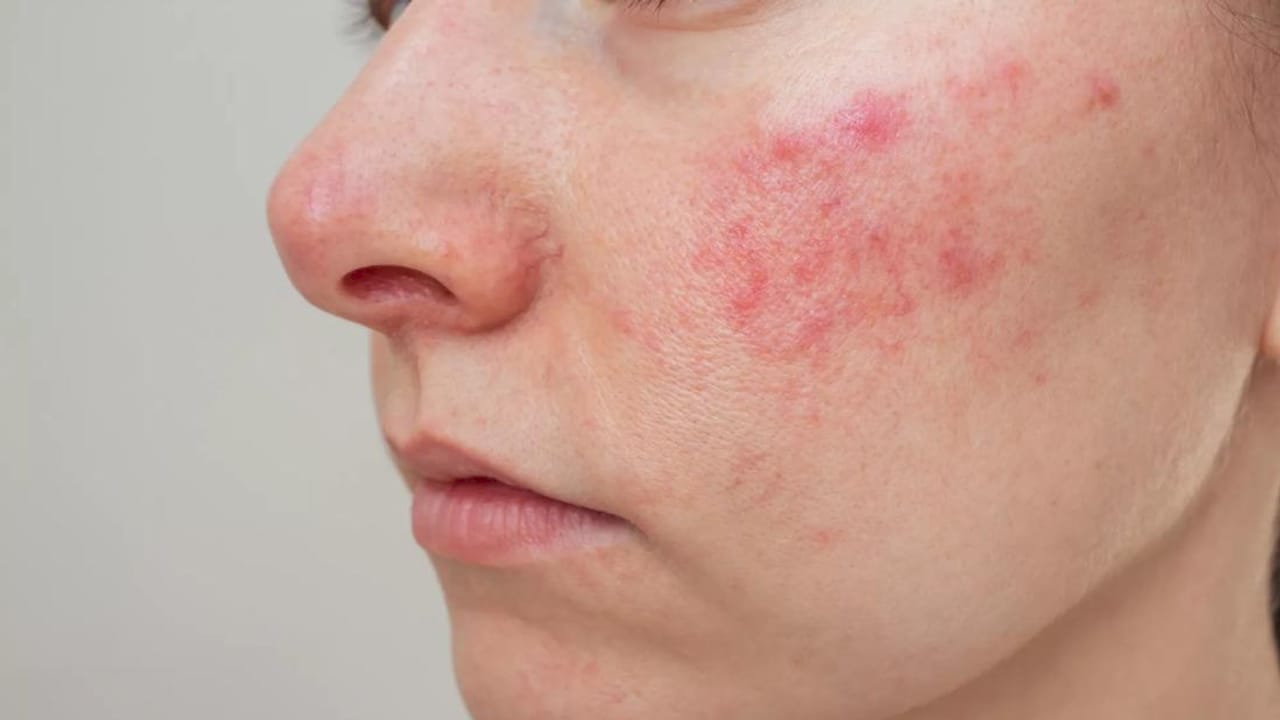
Rosacea natural skincare works best when you strip the routine down to its essentials: a fragrance-free cleanser, a barrier-repairing moisturizer, and a mineral sunscreen. That’s the foundation dermatologists and the National Rosacea Society consistently recommend. Layering in botanicals like aloe vera, chamomile, green tea, and colloidal oatmeal gives you the soothing, anti-inflammatory support your skin needs without the irritation risk that comes with synthetic additives.
Here’s what a sound natural approach covers:
Cleanser: Fragrance-free, non-comedogenic, used with fingertips and lukewarm water
Moisturizer: Ceramide-rich or barrier-supportive, applied immediately after cleansing
Treatment: Azelaic acid or a calming botanical serum
Sunscreen: Broad-spectrum mineral SPF 30+ with zinc oxide or titanium dioxide, every single day
Soothing botanicals: Aloe vera, chamomile, green tea, colloidal oatmeal
Avoid: Fragrance, alcohol, menthol, witch hazel, harsh acids
Trust signal: Look for the National Rosacea Society Seal of Acceptance on products
Table of Contents
What does a natural rosacea skincare routine look like step by step?
A consistent daily routine is the single most effective thing you can do for rosacea-prone skin. The goal is to calm inflammation, rebuild the skin barrier, and avoid anything that triggers flushing or stinging.
Morning routine:
Rinse with lukewarm water or use a gentle, fragrance-free cleanser applied with your fingertips — never a washcloth
Pat dry with a soft towel; never rub
Apply a ceramide-rich moisturizer while skin is still slightly damp to lock in hydration
Follow with a broad-spectrum mineral sunscreen SPF 30+ as your final step; zinc oxide sits on the skin surface and physically blocks UV without penetrating or irritating
Evening routine:
If you wore sunscreen or makeup, consider a gentle oil cleanse first to dissolve buildup, then follow with your regular cleanser
Apply your treatment product (azelaic acid is a dermatologist-recommended option that addresses redness and bumps without the harshness of retinoids)
Finish with your moisturizer
A few things worth knowing about timing and layering: skip exfoliation entirely, at least until your skin is stable. Harsh toners, astringents, and anything with alcohol are off the table. A minimalist regimen consistently outperforms complex multi-step routines for rosacea because fewer products mean fewer potential triggers.
Which natural ingredients actually help rosacea-prone skin?
Not every botanical is created equal for rosacea. Some genuinely calm inflammation; others marketed as “natural” and “soothing” can set off a flare within hours.
Ingredients that work:
Aloe vera: Cooling, anti-inflammatory, and well-tolerated by most sensitive skin types; look for it as a primary ingredient, not a trace additive
Green tea (EGCG): Polyphenols in green tea reduce redness and oxidative stress; topical green tea extracts have shown measurable anti-inflammatory effects in published research
Chamomile: One of the gentlest botanicals for reactive skin; its bisabolol content calms irritation without disrupting the barrier
Colloidal oatmeal: FDA-recognized skin protectant that relieves itch, reduces redness, and supports barrier function; particularly useful during flares
Ingredients to avoid, even when labeled “natural”:
Tea tree oil, peppermint, menthol, eucalyptus, and witch hazel all appear on the National Rosacea Society’s list of common irritants reported by patients
Citrus-derived oils and high-concentration essential oils can cause stinging and vasodilation
Pro Tip: Before applying any new product to your full face, test it on the side of your neck for 48 hours. If you see redness, stinging, or itching, that product is off the list — regardless of how clean its ingredient panel looks. Pair soothing botanicals with a ceramide or fatty acid base to get barrier repair and calming in one step.
How to choose safe natural skincare products for rosacea
The product selection process matters as much as the ingredients themselves. Marketing language on packaging is largely unregulated, so knowing what to look for cuts through the noise.
Fragrance-free, not “unscented”: Unscented products can still contain masking fragrances. The American Academy of Dermatology identifies fragrance as the leading cause of allergic contact dermatitis in sensitive skin
National Rosacea Society Seal of Acceptance: This is the most reliable third-party indicator for rosacea-friendly products. Products earn the seal by meeting criteria around barrier protection, no vasomotor instability triggers, and minimal neurosensory irritation
“Hypoallergenic” means nothing: The term is unregulated. A product labeled hypoallergenic can still contain fragrance, alcohol, or other known irritants. Rely on the ingredient list, not the front-of-label claim
Dermatologist-tested and clinically tested: These phrases carry more weight than hypoallergenic, but still read the full ingredient list
Non-comedogenic: Prevents pore clogging, which matters when rosacea overlaps with acne-like breakouts
Fewer products, fewer risks: In a National Rosacea Society survey of 1,066 patients, 41 percent reported that certain skincare products aggravated their condition. Choosing multi-function products reduces exposure to potential triggers
Patch test everything: No exceptions, even for products with clean ingredient lists
Key standard: The National Rosacea Society Seal of Acceptance is the closest thing rosacea patients have to a clinically vetted product certification. It’s worth filtering your shopping list by it.
Holistic lifestyle strategies that support your skin
Skincare products alone won’t fully control rosacea. What you eat, how you manage stress, and how you respond to environmental triggers all shape how often you flush and how severe those flares get.
Diet: An anti-inflammatory diet built around leafy greens, lean proteins, and low-glycemic fruits reduces systemic inflammation that shows up on your face. Spicy foods, alcohol, and high-sugar meals are among the most commonly reported dietary triggers
Temperature and environment: Extreme heat, saunas, hot showers, and cold wind all dilate blood vessels and worsen flushing. Lukewarm is your default temperature for everything that touches your face
Stress: Cortisol spikes trigger inflammatory responses in the skin. Regular movement, sleep, and even basic breathing practices make a measurable difference over time
Hydration: Chronically dehydrated skin has a weaker barrier, which makes it more reactive to every trigger
Sun protection: UV exposure is one of the most consistent rosacea triggers. Daily mineral SPF is non-optional, even on cloudy days
Seasonal adjustments: Winter calls for a richer moisturizer to compensate for low humidity and indoor heating; summer may require a lighter formula and more frequent sunscreen reapplication
Track your triggers: Keep a simple log of flares and what preceded them. Patterns emerge within a few weeks, and that data is more useful than any generic trigger list
Dermatologist consultation remains the anchor for any serious management plan. Lifestyle changes and natural skincare work best as complements to medical guidance, not replacements.
The four steps of a natural rosacea skincare regimen
The cleanse-tone-treat-moisturize framework needs some adjustment for rosacea. Traditional toners are almost always too harsh, and the “treat” step requires careful ingredient selection.
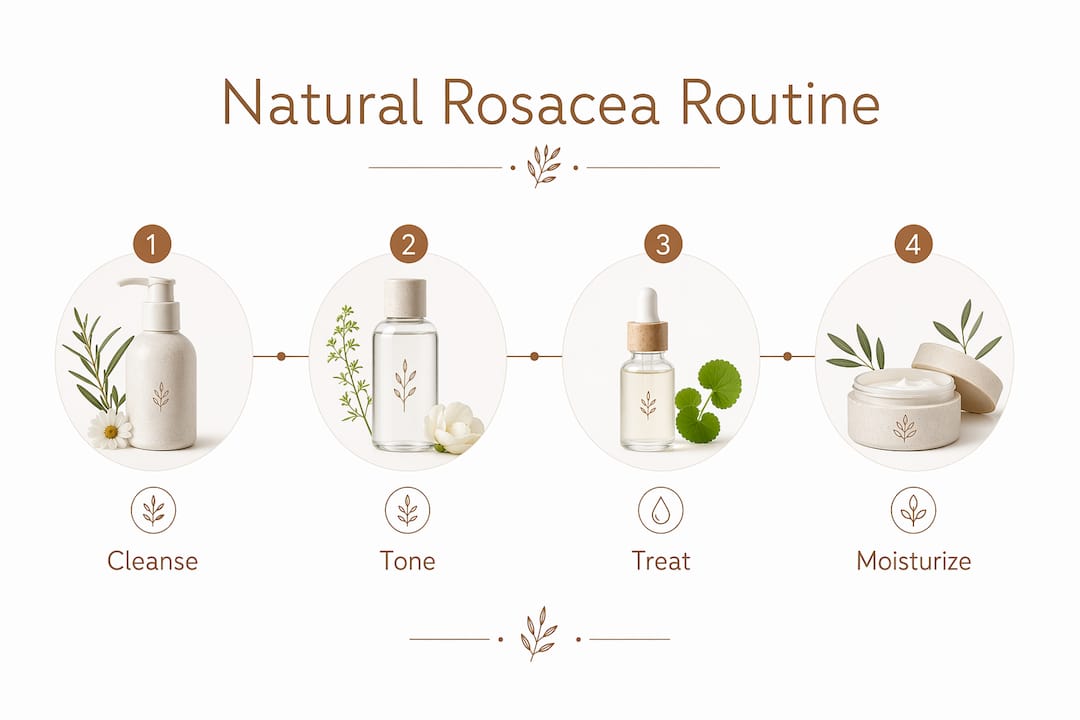
Cleanse: A sulfate-free, fragrance-free gel or cream cleanser used twice daily. Micellar water works well for mornings when skin isn’t heavily soiled.
Tone (modified): Skip alcohol-based toners entirely. If you want a toning step, a hydrating mist with aloe vera or rose water (check for added fragrance) is the only rosacea-safe option in this category. Many people with rosacea skip this step altogether and see no downside.
Treat: Azelaic acid (10–15%) is the most evidence-backed natural-adjacent treatment for rosacea redness and papules. Niacinamide at 4–5% is another well-tolerated option that strengthens the barrier and reduces visible redness over time. Apply treatment products before moisturizer on clean, dry skin.
Moisturize: A ceramide or fatty acid-rich moisturizer applied while skin is still slightly damp seals in hydration and supports barrier repair. This step is non-negotiable, even for oily skin types with rosacea.
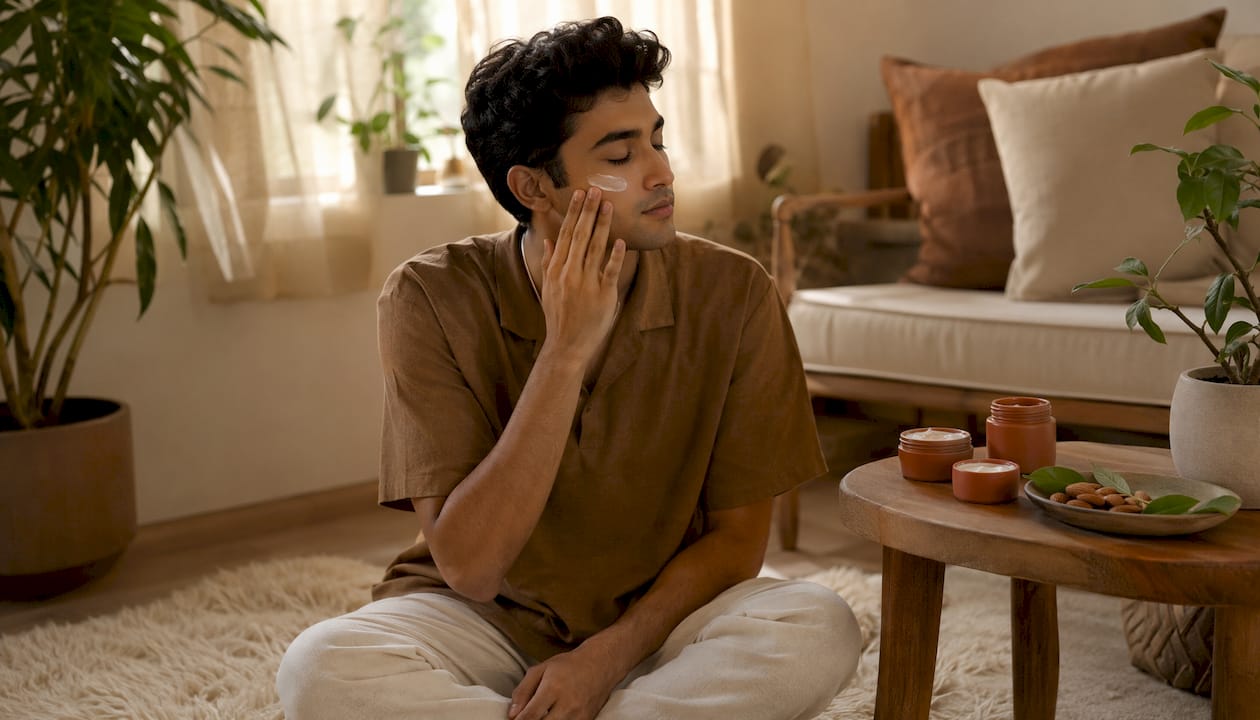
DIY natural remedies and masks that are safe for rosacea
DIY masks carry real risk for rosacea skin because most kitchen ingredients are either too acidic, too fragrant, or too abrasive. That said, a few options are genuinely low-risk.
Safe DIY options:
Plain colloidal oatmeal mask: Mix colloidal oatmeal with cool water into a paste, apply for 10 minutes, rinse gently. No additives needed.
Aloe vera gel: Pure, refrigerated aloe vera gel applied directly to flushed skin provides immediate cooling relief. Use the gel form, not a lotion with added ingredients.
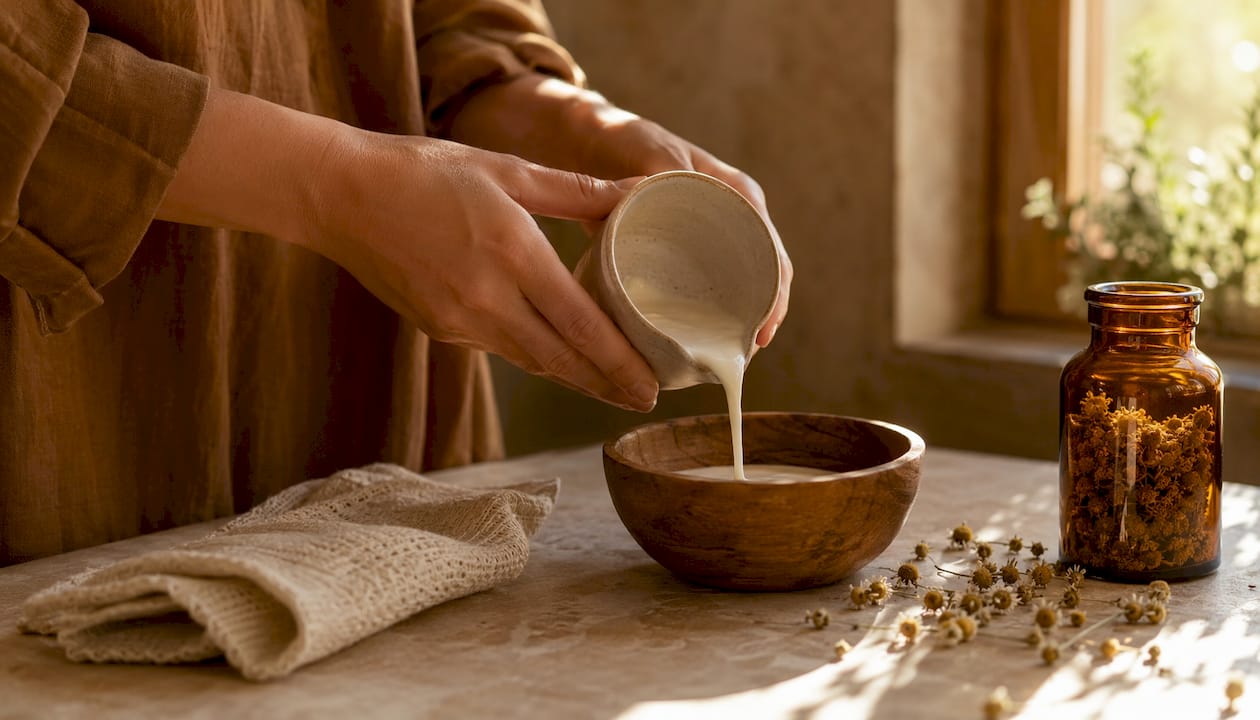
Cooled green tea compress: Brew plain green tea, let it cool completely, soak a soft cloth, and apply to the face for 5–10 minutes. The polyphenols reduce surface inflammation.
What to skip entirely:
Lemon juice, apple cider vinegar, and baking soda are all pH-disruptive and will worsen rosacea
Honey masks can be soothing but carry a risk of fragrance contamination if not pure; raw honey only, and patch test first
Essential oil-based DIY recipes are high-risk; even diluted tea tree or lavender can trigger a flare
The safest DIY approach is also the simplest: cold compresses and single-ingredient botanicals with no mixing, no essential oils, and no citrus.
Integrating natural skincare with medical rosacea treatment
Natural skincare and medical treatment aren’t competing approaches. They work best together, with each filling gaps the other can’t.
Dermatologists typically prescribe topical metronidazole, azelaic acid, or ivermectin for active rosacea. These treatments address the underlying inflammation and vascular changes that natural products alone can’t fully resolve. Your natural skincare routine supports those treatments by keeping the barrier intact, reducing baseline irritation, and preventing the kind of flare-ups that make prescription treatments less effective.
Consistent use of a minimalist routine typically requires 8–12 weeks before you see meaningful redness reduction and barrier improvement. Switching products before that window closes is one of the most common mistakes. Give each product time to work before drawing conclusions.
Long-term management means treating rosacea as a chronic condition, not a problem to solve once. That means regular dermatologist check-ins, seasonal routine adjustments, and a willingness to revisit your trigger log when flares return. Botanical compounds tend to have fewer intense side effects than synthetic medications, but they also have less clinical data behind them, which is why expert guidance remains the anchor of any serious long-term plan.
Palinova’s botanicals for sensitive, rosacea-prone skin
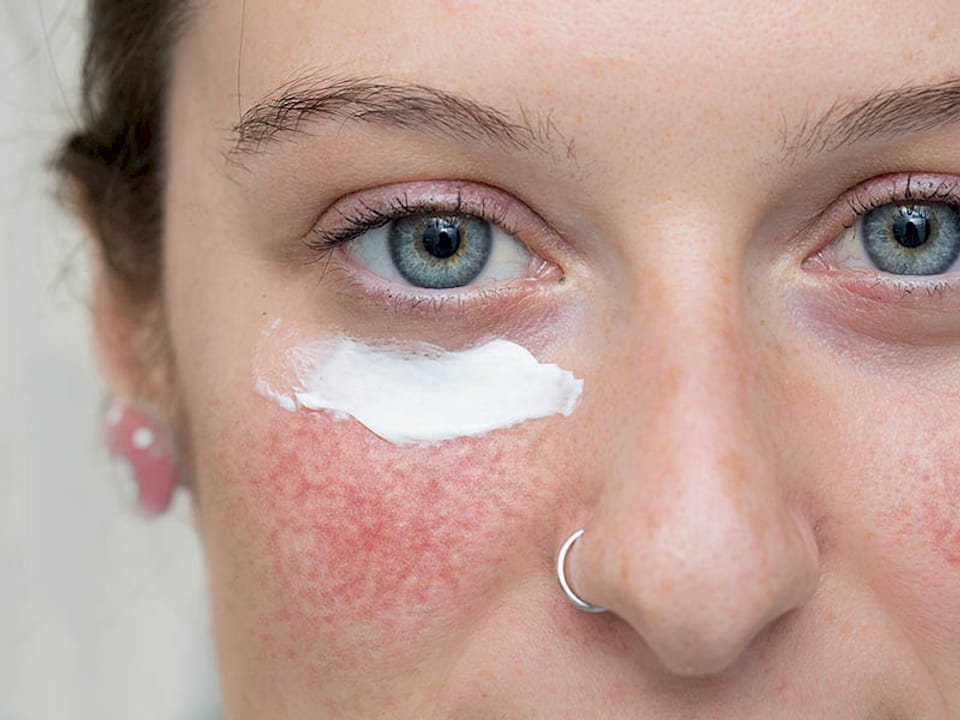
If you’ve built a gentle routine and want to add botanicals that go beyond the generic, Palinova’s natural Palestinian skincare line offers something most mass-market brands can’t: ethically sourced, single-origin plant extracts with no synthetic additives. The Barbary Fig Seed Oil, Sumac Seed Oil and Pestacia palestina Seed Oil are particularly relevant here. It’s rich in fatty acids and vitamin E, both of which support barrier repair, and it absorbs without the heavy residue that can aggravate reactive skin.
Palinova also offers free aromatherapy consultations, which means you’re not guessing at which botanical fits your skin. You get a recommendation based on your specific symptoms and routine. For anyone managing rosacea who wants to add a targeted botanical without the trial-and-error risk, that’s a meaningful difference from browsing a product shelf. Browse the full skincare range at palinova.shop/skincare and book your consultation to find the right fit.
FAQ
What natural ingredients calm rosacea redness most effectively?
Aloe vera, green tea, chamomile, and colloidal oatmeal are the most consistently supported options for reducing rosacea redness and irritation, with anti-inflammatory properties documented across multiple skin types.
Can I treat rosacea naturally without prescription medication?
Natural skincare can significantly reduce flare frequency and baseline redness, but moderate to severe rosacea usually requires prescription treatment alongside a gentle routine. A dermatologist consultation is the right starting point.
What natural ingredients should I avoid with rosacea?
Tea tree oil, peppermint, menthol, witch hazel, eucalyptus, and citrus-derived oils are all common rosacea triggers despite their natural origin. Alcohol and synthetic fragrance top the list of non-botanical irritants to avoid.
How long before a natural rosacea routine shows results?
Most people need 8–12 weeks of consistent use before seeing meaningful improvement. Switching products before that window closes resets the clock and makes it harder to identify what’s working.
Does diet affect rosacea skin?
Yes. Spicy foods, alcohol, and high-glycemic meals are among the most commonly reported dietary triggers. An anti-inflammatory diet built around leafy greens and lean proteins supports skin health from the inside out.
Key Takeaways
Natural rosacea skincare works through a minimalist, fragrance-free daily routine anchored by barrier repair, soothing botanicals, and daily mineral SPF 30+, sustained consistently for at least 8–12 weeks.
Point | Details |
Minimalist routine wins | Fewer products reduce trigger exposure; a gentle cleanser, moisturizer, and mineral SPF cover the essentials. |
Fragrance is the top irritant | Choose fragrance-free products, not “unscented”; the American Academy of Dermatology flags fragrance as the leading cause of contact dermatitis. |
Patch test every product | Test on your neck for 48 hours before applying anything new to your full face to catch reactions early. |
Results take 8–12 weeks | Consistent use of a minimalist routine needs 8–12 weeks to show meaningful redness reduction and barrier repair. |
Palinova botanical skincare | Palinova’s ethically sourced Palestinian botanicals, including Barbary Fig Seed Oil, support barrier repair for rosacea-prone skin with no synthetic additives. |
Recommended

Comments