
Inula Viscosa Oleoresin: nature's sticky healing secret
Inula Viscosa Oleoresin is one of the most scientifically compelling natural extracts in Mediterranean botany. Known locally in Palestine as Tayyoun, this sticky, resinous substance is packed with sesquiterpene lactones (including inuviscolide), flavonoids, and phenolic acids that work together to accelerate wound healing, suppress inflammation, and neutralise harmful pathogens on the skin. A clinical study reported that a 5% aqueous extract of Inula viscosa cream reduced wound area by day 7 to 3.96 mm², compared to 13.77 mm² for the pharmaceutical standard Fucidin®, demonstrating accelerated healing. That is not a marginal improvement. Palinova’s version of this extract is wild-harvested from Palestinian terroir and processed using only pure water, with no chemical solvents, no heavy metals, and no synthetic additives.
Three core activities define its healing power:
Accelerated healing: Stimulates cellular regeneration to close open wounds and reduce scarring
Antimicrobial protection: Inhibits bacteria and fungal pathogens naturally present on compromised skin
Anti-inflammatory action: Calms redness, swelling, and irritated tissue at the site of injury
What does the science say about Inula Viscosa Oleoresin’s healing power?
Recent research has moved well beyond traditional anecdote. The 2026 wound healing trial cited above is the headline finding, but the supporting body of evidence spans phytochemistry, in vivo inflammation models, and antimicrobial assays.
A phytochemical study published in 2024 measured total phenolic content at 236.78 ± 7.63 mg GAE/g and total flavonoid content at 94.36 ± 1.86 mg QE/g in the methanol extract. Both figures are associated with strong antioxidant and anti-inflammatory activity. Separately, an aqueous extract demonstrated an anti-inflammatory IC₅₀ of 37.02 ± 2.57 µg/mL, more than three times more potent than ascorbic acid used as the reference standard. The same extract reduced carrageenan-induced paw oedema in mice significantly, with efficacy comparable to acetylsalicylic acid.
On the antimicrobial front, Minimum inhibitory concentration values against tested microorganisms indicate broad-spectrum antibacterial and antifungal activity. Ethnobotanical reviews further validate the plant’s traditional role as a wound cataplasm, grounding these laboratory results in centuries of observed clinical effect.
Activity | Evidence | Source model |
Wound healing | Reduced wound area significantly faster than Fucidin® by day 7 | Clinical cream trial, 2026 |
Anti-inflammatory | IC₅₀ 37.02 µg/mL; significant paw oedema reduction | In vivo murine model |
Antioxidant | TPC 236.78 mg GAE/g; TFC 94.36 mg QE/g | Phytochemical assay, 2024 |
Antimicrobial | Broad-spectrum antibacterial and antifungal MIC values | Disc diffusion and broth microdilution |
How do the bioactive compounds in the oleoresin actually work?
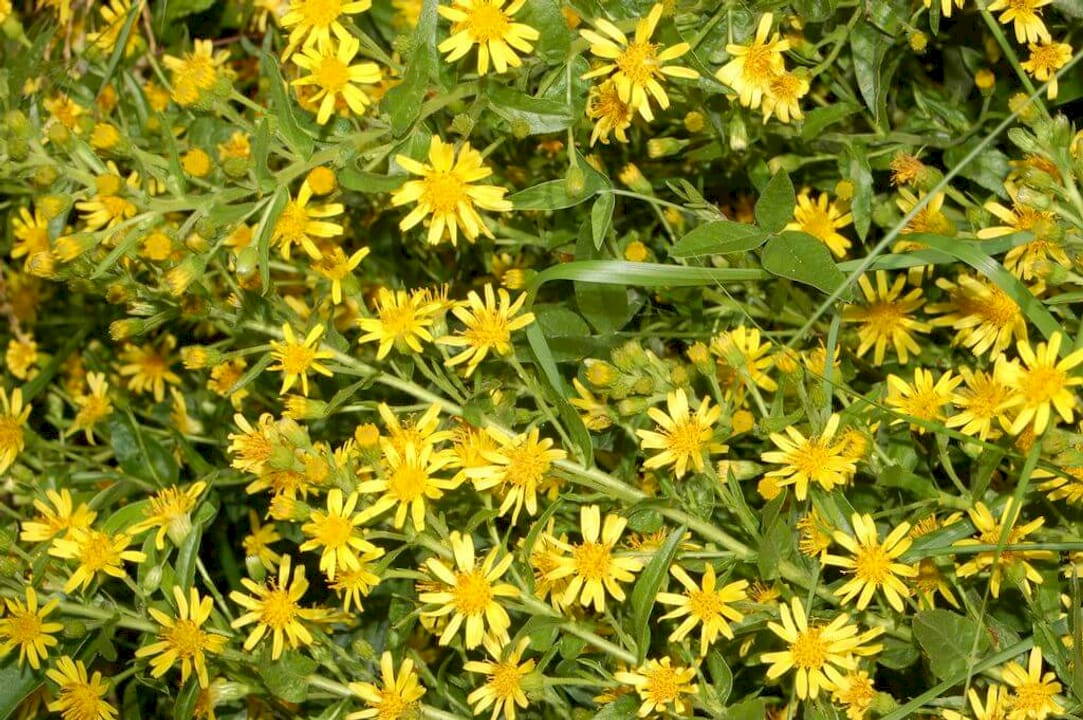
The stickiness of Inula Viscosa Oleoresin is not incidental. It originates from glandular trichomes on the leaf surface, which produce a lipophilic bio-shield evolved to protect the plant from pests and environmental stress. That same lipophilic character is what makes the oleoresin therapeutically superior to water-based extracts for skin applications.
Sesquiterpene lactones such as inuviscolide are the most studied anti-inflammatory agents in the extract. Research confirms they reduce skin oedema and suppress chronic dermatitis in murine models by inhibiting pro-inflammatory signalling pathways. They work topically rather than systemically, which is precisely what skin healing requires.
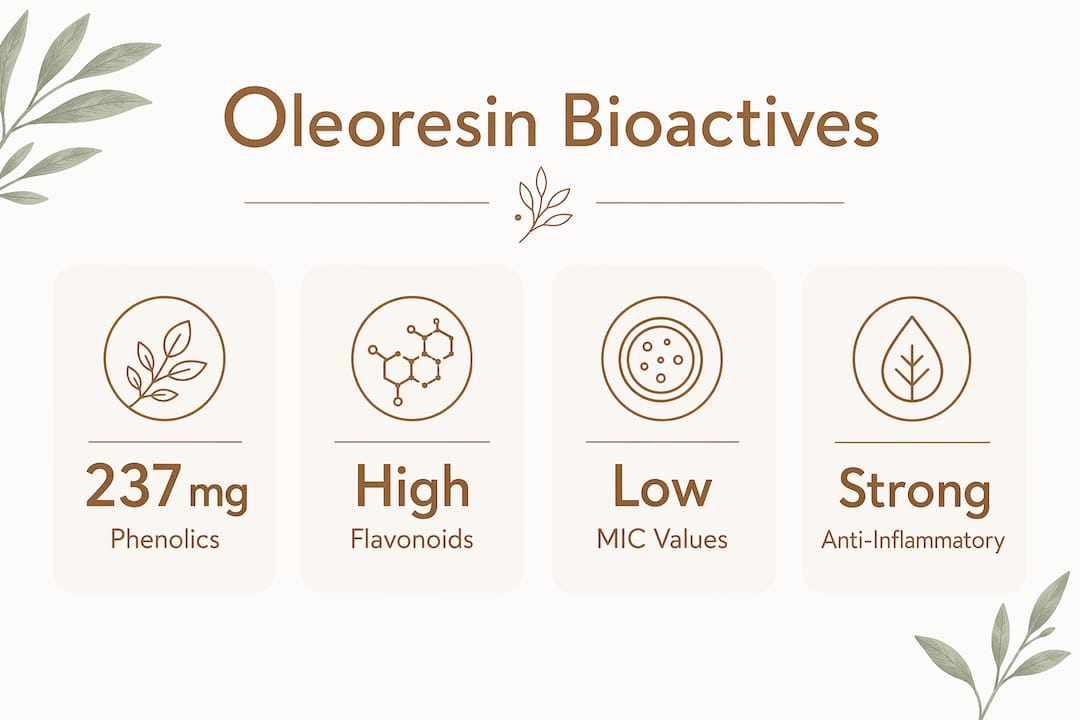
Phenolic acids and flavonoids contribute a powerful antioxidant capacity, scavenging free radicals that would otherwise accelerate tissue damage and premature ageing. At relevant experimental concentrations, the extract demonstrated potent free radical scavenging activity in antioxidant assays, indicative of high antioxidant capacity.
The lipophilic matrix also aids skin penetration. Because the oleoresin’s bioactive compounds are fat-soluble, they pass through the skin’s lipid barrier more readily than water-soluble extracts, reaching deeper tissue layers where regeneration actually occurs. Small concentrations suffice precisely because the extract is so concentrated.
Pro Tip: When applying oleoresin topically, warm a small amount between your fingertips first. The gentle heat softens the resin and improves skin contact without degrading the bioactive compounds.
How has Inula Viscosa been used in traditional medicine across the Mediterranean?
The ethnobotanical record for Inula viscosa is unusually consistent across cultures and centuries. In Algeria, leaves were prepared as a cataplasm for injuries and rheumatic pain. In Morocco, root and leaf decoctions treated skin irritations of allergic origin. Palestinian healers used Tayyoun for open wounds, skin diseases, and infections long before the word “antimicrobial” existed.
Ethnobotanical reviews confirm that this traditional use aligns precisely with the plant’s documented broad-spectrum pathogen inhibition. The antimicrobial and anti-inflammatory folk applications are not folk myth; they reflect a genuine pharmacological reality that modern assays have now quantified.
Key traditional applications, all now supported by laboratory evidence:
Wound cataplasm for open cuts and skin lesions
Topical treatment for rheumatic and joint inflammation
Remedy for fungal and bacterial skin infections
Anti-inflammatory poultice for swollen or irritated tissue
Antiseptic preparation for infected wounds
The continuity between traditional knowledge and modern validation is what makes Inula viscosa genuinely interesting. Most plants studied for ethnobotanical claims disappoint under laboratory scrutiny. This one does not.
Is Inula Viscosa Oleoresin safe, and what does its future in skincare look like?
Safety is where the evidence is particularly reassuring. Modern in silico and in vivo studies confirm no genotoxicity and no hepatotoxicity, positioning the oleoresin as a clean alternative to synthetic topical treatments for long-term use. The aqueous extract’s strong anti-inflammatory performance, noted in the murine studies above, was achieved without adverse effects at the tested doses.
Palinova’s extraction method adds another layer of safety assurance. Wild-harvesting from Palestinian land, combined with pure water extraction and no chemical solvents, means the final product carries none of the solvent residues that can compromise both safety and bioactivity in conventionally processed botanical extracts.
Practical notes for use:
Concentration: A 5% aqueous cream concentration showed clinical efficacy in the 2026 trial; oleoresin-based formulations may require lower concentrations given the higher bioactive density
Storage: Keep away from direct sunlight and heat to preserve the lipophilic compounds; a cool, dark location extends shelf life
Formulations: Works well in creams, balms, and oil-based serums; less suited to water-only formulations without an emulsifier
Patch test: Despite the strong traditional safety record, a 24-hour patch test is advisable for sensitive skin given the extract’s high bioactivity
The broader trajectory for natural oleoresin-based skincare is towards regulatory acceptance and mainstream formulation. Clean beauty is not a passing trend in the UK market; it is reshaping how formulators and consumers alike evaluate ingredient lists.
Palinova’s Inula Viscosa Oleoresin: Palestinian heritage, clinical-grade purity
[
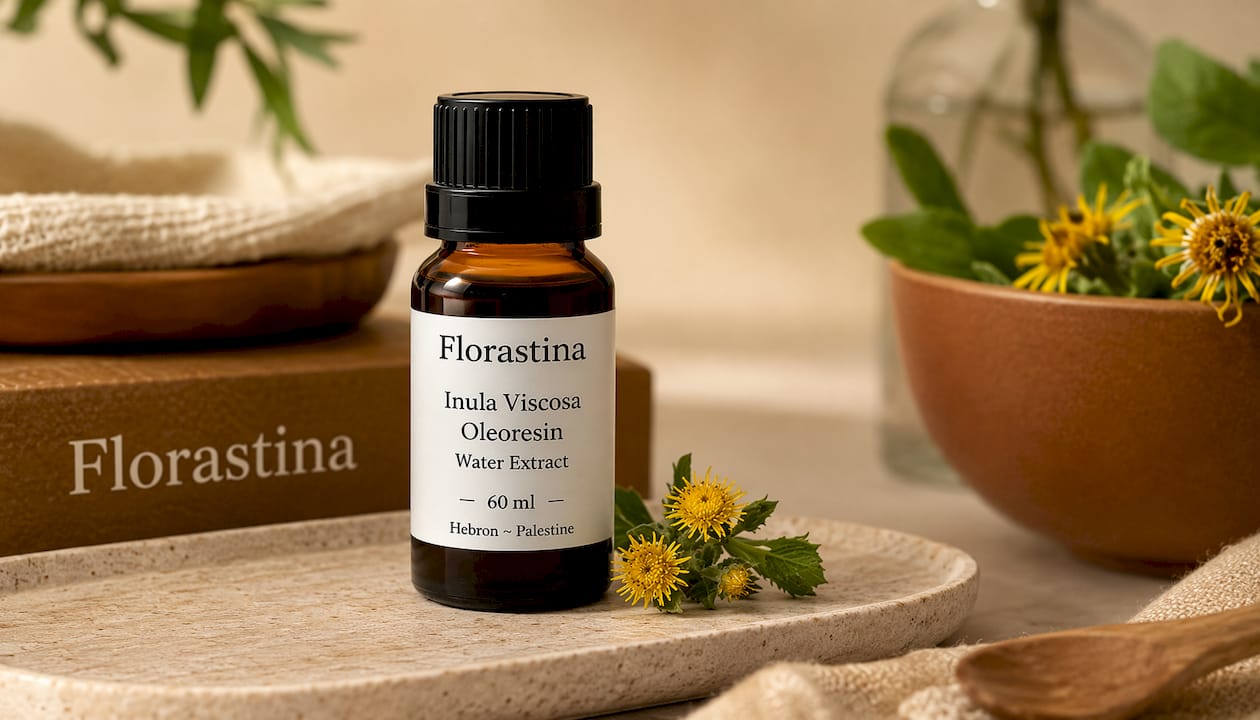
Palinova’s Inula Viscosa Oleoresin is the purest commercially available form of this extract in the UK market. Wild-harvested from Palestinian land where Tayyoun has grown and been used medicinally for centuries, it is extracted exclusively with pure water, tested free of pollution and heavy metals, and contains no synthetic additives.
What sets it apart from generic botanical extracts:
Water-only extraction preserves the full lipophilic bioactive complex without solvent contamination
Wild-harvested from Palestinian terroir, reflecting genuine agricultural heritage rather than mass cultivation
Pollution-free sourcing, verified free of heavy metals
Rich in sesquiterpene lactones, flavonoids, and phenolic acids at therapeutic concentrations
Palinova also offers a complementary Inula Viscosa Cream for those who prefer a ready-to-apply formulation, alongside free personalised aromatherapy consultations to help you identify the right product for your specific skin concern. The brand’s Palestinian skincare range reflects a commitment to ethnobotanical authenticity that is rare in the natural wellness market.
Pro Tip: If you are new to oleoresin-based skincare, start with Palinova’s cream formulation before moving to the pure oleoresin. It delivers the same bioactive compounds in a format that is easier to apply and dose for everyday use.
Potential side effects and contraindications
Inula Viscosa Oleoresin is well-tolerated by most people, but its high bioactivity means a few precautions apply. The most common reaction in sensitive individuals is mild contact dermatitis, particularly in those with known sensitivities to plants in the Asteraceae family (which includes chamomile, marigold, and ragweed). If you have a confirmed allergy to any Asteraceae species, avoid topical use without medical guidance.
Pregnant and breastfeeding women should consult a healthcare professional before using concentrated oleoresin preparations, as the safety data in these populations remains limited. The extract is not intended for internal use in its raw oleoresin form. Keep it away from the eyes and mucous membranes, and discontinue use if persistent redness or itching develops after the initial patch test period.
Key takeaways
Inula Viscosa Oleoresin delivers clinically validated wound healing, anti-inflammatory, and antimicrobial benefits through a concentrated lipophilic matrix of sesquiterpene lactones, flavonoids, and phenolic acids, with Palinova’s water-extracted Palestinian oleoresin representing the cleanest available form.
Point | Details |
Clinical wound healing | A 5% aqueous cream reduced wound area to 3.96 mm² by day 7, compared to 13.77 mm² for Fucidin®. |
Phytochemical potency | Total phenolic content of 236.78 mg GAE/g and flavonoid content of 94.36 mg QE/g drive antioxidant activity. |
Anti-inflammatory strength | Aqueous extract achieved an IC₅₀ of 37.02 µg/mL, over three times more potent than ascorbic acid. |
Safety profile | In silico and in vivo studies confirm no genotoxicity and no hepatotoxicity for long-term topical use. |
Palinova’s distinction | Wild-harvested, water-only extraction preserves the full bioactive complex free of solvents and heavy metals. |
Recommended
Comments