
Sumac substitute: the best options for home cooks


A lemon zest and salt mixture is the most effective sumac substitute for replicating the spice’s bright, tangy flavour and dry, powdery texture in cooking. Sumac is a dried, ground berry from the Rhus criteria plant, used widely across Middle Eastern and Mediterranean cuisines for its sharp citrus acidity, mild fruitiness, and slight astringency. It finishes fattoush salads, seasons grilled meats, and lifts dips like hummus without adding moisture. When sumac is unavailable, the right replacement depends entirely on your recipe. This guide covers the best sumac alternatives, from pantry staples to specialist powders, matched to the cooking application that suits them best.
Why lemon zest and salt are the best sumac substitute
Lemon zest combined with fine sea salt replicates sumac’s core flavour properties better than any single ingredient. The coloured outer rind of a lemon contains concentrated citrus oils that deliver bright, sharp acidity without adding liquid to a dish. Salt contributes the slight savoury depth that makes sumac taste rounded rather than one-dimensional. Together, they produce a dry, sprinkleable mixture that works exactly as sumac does in rubs, dressings, and as a finishing garnish.
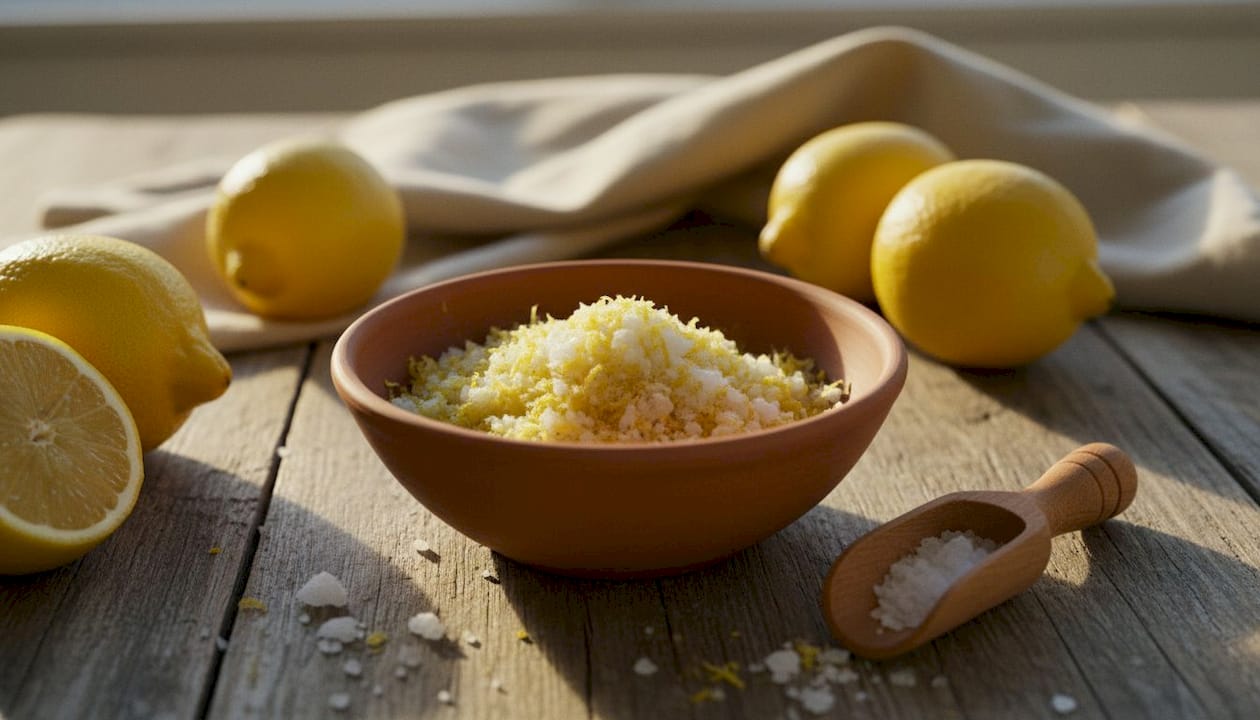
The optimal substitution ratio is 1 teaspoon of freshly grated lemon zest plus ¼ teaspoon of fine sea salt per 1 teaspoon of ground sumac. This ratio preserves the balance of acid and savouriness without overwhelming the dish. The dry texture of the zest also means it behaves like sumac when scattered over food at the table, which lemon juice simply cannot do.
Zesting correctly makes a real difference to the result. Follow these steps for the best outcome:
Wash and dry the lemon thoroughly before zesting.
Use a fine Microplane or box grater to remove only the yellow outer rind.
Avoid the white pith beneath the rind entirely, as it introduces bitterness not present in sumac.
Use the zest immediately, or spread it on a plate for 10 minutes to dry slightly before mixing with salt.
Combine with fine sea salt and apply as you would ground sumac.
Pro Tip: Spread freshly grated lemon zest on a small plate and leave it uncovered for 10–15 minutes before mixing with salt. This brief drying period concentrates the citrus oils and produces a more potent, sumac-like result.
The lemon zest and salt method works across the widest range of recipes. It suits fattoush dressing, chicken marinades, roasted vegetable seasoning, and any dish where sumac provides the finishing acidity. No specialist ingredients are required, and the result is consistently close to the original.
What other ingredients can replace sumac?
Several other ingredients work well as sumac flavour alternatives, each suited to a different recipe context. The key is matching the substitute to the moisture level and flavour complexity your dish requires.
Amchoor powder. Dried mango powder is the best dry, shelf-stable alternative for sumac’s tart, fruity profile. It delivers a similar fruity sourness without adding liquid. Amchoor is more concentrated than sumac, so use 75% of the quantity called for in the recipe to avoid overpowering the dish. It works particularly well in spice rubs, lentil dishes, and dry chutneys.
Tamarind paste. Tamarind offers deep, fruity sourness with added sweetness and complexity. It is stronger and sweeter than sumac, so use half the quantity and dilute it with a little water before adding. Tamarind suits wet applications: stews, marinades, and dipping sauces. It is not suitable for dry rubs or finishing garnishes.
Lemon juice. Fresh lemon juice delivers the right acidity but adds moisture. Use it in dressings, marinades, and cooked sauces where liquid is acceptable. Start with half the volume of sumac called for and adjust to taste, as lemon juice is sharper and thinner in flavour than the ground spice.
Red wine vinegar. Red wine vinegar provides punchy acidity that aligns well with Mediterranean flavours. Like lemon juice, it is liquid-based and suits dressings and marinades only. Use it sparingly, as its flavour is more assertive than sumac’s gentle tartness.
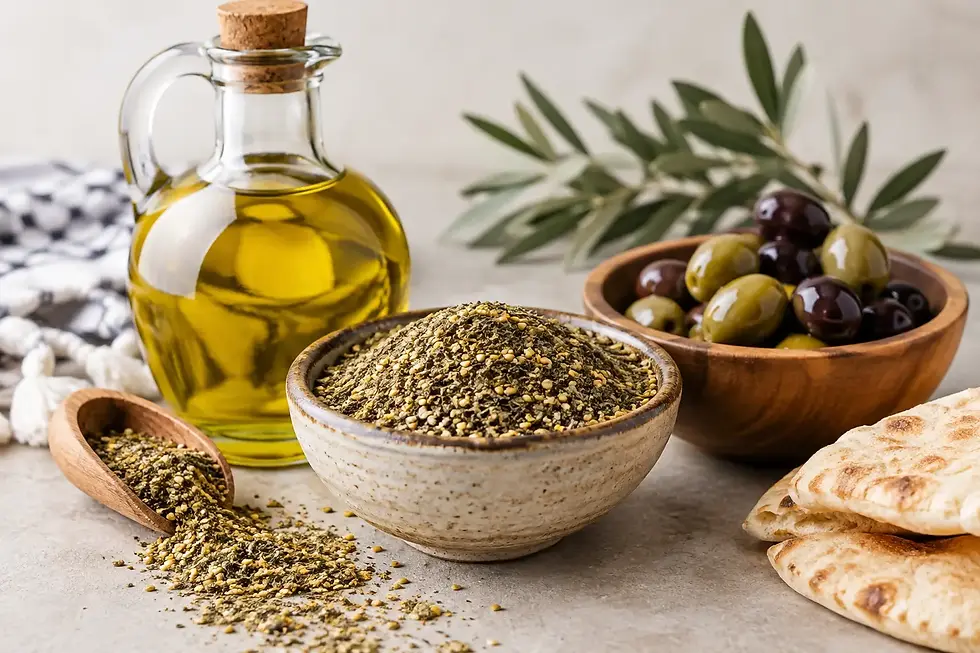
Za’atar. Za’atar is a spice blend that contains sumac alongside dried thyme, oregano, and sesame seeds. It changes the dish’s flavour complexity rather than simply replacing acidity. Treat it as a flavour additive rather than a direct swap. It works well on flatbreads, roasted vegetables, and yoghurt dips where a herbal, nutty note is welcome.
Citric acid powder. Citric acid powder is the most concentrated dry substitute for sumac’s sourness. Use it very sparingly, starting with a pinch in place of a teaspoon, and build up gradually. It replicates the sharp, clean acidity of sumac in dry spice blends and rubs without altering texture.
No perfect 1:1 substitute exists for sumac’s combination of malic acid sourness, fruitiness, and astringency. Each alternative captures part of sumac’s character, so the best choice depends on what your recipe needs most.
How to choose the right substitute for your recipe
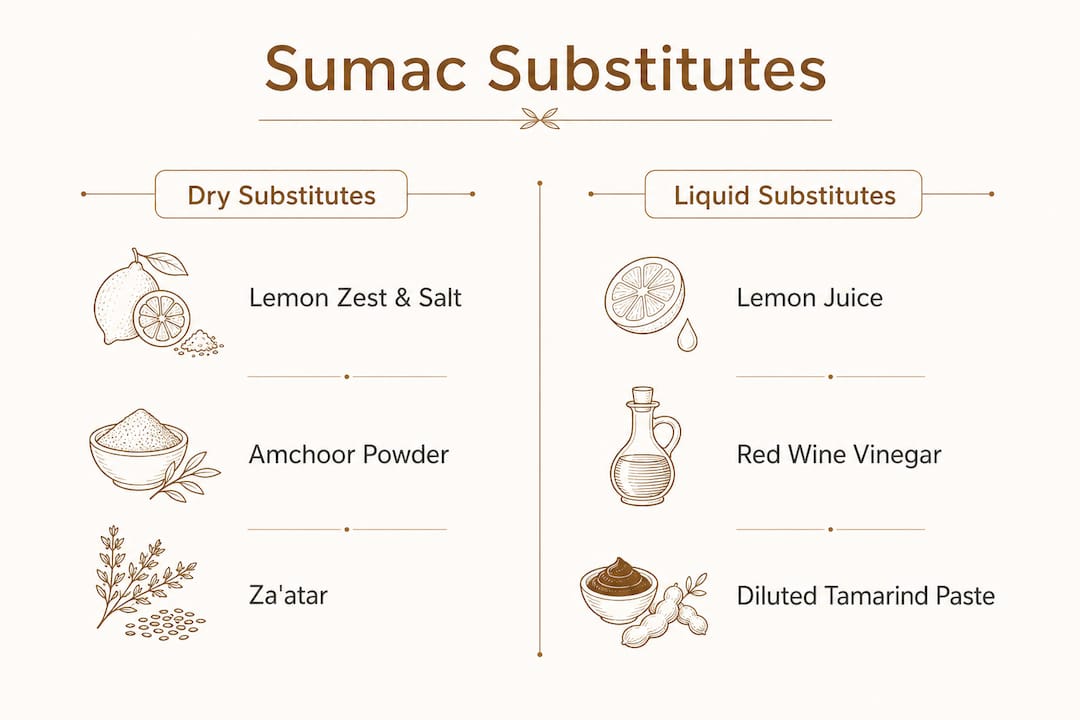
Choosing the right sumac replacement depends on two factors: the moisture level the recipe can tolerate, and the flavour complexity you want to preserve.
For dry rubs and spice blends, moisture is the enemy. Lemon juice and vinegar will clump a dry rub and alter its texture. Use lemon zest mixed with salt, amchoor powder, or citric acid powder instead. These dry alternatives preserve dish integrity in ways that wet substitutes cannot.
For dressings and marinades, liquid substitutes work well. Fresh lemon juice, red wine vinegar, and diluted tamarind paste all integrate naturally into wet preparations. The best substitute depends on recipe context: use lemon juice for clean, bright acidity; tamarind paste for depth and sweetness; red wine vinegar for a Mediterranean edge.
For finishing and garnishing, the visual aspect matters as much as the flavour. Sumac has a distinctive brick-red colour that signals freshness and acidity on a plate. A blend of lemon zest with a pinch of paprika replicates both the colour and the acidity, making it the best option for finishing hummus, grilled fish, or roasted cauliflower.
Practical adjustments to keep in mind:
When using a substitute that contains salt, such as the lemon zest and salt blend, reduce any additional salt in the recipe accordingly.
When using a liquid substitute in a cooked dish, add it towards the end of cooking to preserve its brightness.
When using za’atar, account for its herbal and sesame notes and reduce other herbs in the recipe to avoid a crowded flavour profile.
When using amchoor or citric acid, taste as you go. Both are significantly more potent than sumac by volume.
Pro Tip: When substituting for sumac in a fattoush salad, use the lemon zest and salt blend on the vegetables and a small splash of lemon juice in the dressing. This two-part approach mirrors sumac’s dual role as both a dry seasoning and an acidic flavour element.
How to make a DIY sumac substitute blend
A custom blend gets closer to sumac’s full character than any single ingredient. The goal is to replicate the acidity, the mild fruitiness, the slight savouriness, and the brick-red colour in one mixture you can store and use freely.
Follow this method to make a reliable all-purpose blend:
Grate the zest of one large unwaxed lemon using a fine Microplane. Spread it on a plate and leave it for 10 minutes to dry slightly.
Combine the dried zest with ¼ teaspoon of fine sea salt per teaspoon of zest.
Add a small pinch of sweet paprika. Paprika contributes sumac’s characteristic red colour without overpowering the citrus notes.
Add a very small pinch of freshly ground black pepper for a subtle background warmth.
Mix well and taste. Adjust the salt or paprika gradually, adding a little at a time.
The paprika is the detail most home cooks overlook. Sumac’s red hue is part of its visual appeal on a plate, and a pale yellow lemon zest blend simply does not look the same. A small amount of paprika corrects this without shifting the flavour profile towards smokiness, provided you use sweet rather than smoked paprika.
Pro Tip: Make a small batch of this blend and store it in a sealed jar in the fridge for up to three days. The flavour deepens slightly as the salt draws moisture from the zest, producing a more cohesive, sumac-like seasoning by the second day.
This blend suits the same applications as ground sumac: sprinkled over hummus, stirred into yoghurt dips, used in fattoush dressing, or scattered over grilled chicken. It is not a perfect replica, but it is the closest a pantry blend can achieve.
Key takeaways
The most reliable sumac substitute is a blend of freshly grated lemon zest and fine sea salt, matched to the moisture level and visual requirements of the specific recipe.
Point | Details |
Best all-purpose substitute | Mix 1 tsp lemon zest with ¼ tsp fine sea salt to replace 1 tsp ground sumac. |
Best dry alternative | Use amchoor powder at 75% of the sumac quantity for fruity, shelf-stable sourness. |
Best for wet dishes | Use tamarind paste at half quantity, diluted, for dressings, stews, and marinades. |
Colour replication | Add a pinch of sweet paprika to lemon zest to match sumac’s brick-red appearance. |
Avoid wet substitutes in dry rubs | Lemon juice and vinegar alter texture in dry applications; use dry alternatives instead. |
A cook’s honest view on sumac substitutes
Sumac is one of those spices that sounds easy to replace until you actually try. The first time I ran out mid-recipe and reached for lemon juice, the dish came out fine but noticeably flat. The acidity was there, but the dry, slightly astringent quality that makes sumac so distinctive on a plate was completely absent.
The lemon zest and salt blend genuinely surprised me. Used as a finishing seasoning on roasted aubergine, it came close enough that guests did not notice the difference. The key was drying the zest first. Wet zest clumps and releases moisture unevenly, which is exactly the problem you are trying to avoid.
Where substitutes consistently fall short is in dishes where sumac is the centrepiece rather than a supporting note. A traditional musakhan, where sumac is layered into the onions and chicken in quantity, needs the real thing. No blend fully replicates that depth of flavour when it is the dominant ingredient. For finishing touches and dressings, though, the alternatives work well enough that you can cook confidently without sumac in the house.
My practical advice: keep a small jar of authentic sumac in your pantry for dishes where it matters most, and use the lemon zest blend for everything else. Substitutes are not a failure. They are an invitation to understand what sumac actually does in a dish, which makes you a more attentive cook.
— abdelmuhsen
Palinova’s authentic sumac and Palestinian botanicals
Substitutes are useful, but genuine sumac delivers a flavour no blend can fully match. Palinova sources authentic sumac and a range of Palestinian botanicals, including za’atar, directly from the land where these ingredients have been cultivated for generations.

Palinova’s commitment to ethical sourcing and purity means every product reflects the real character of its origin. If you cook regularly with Middle Eastern spices, browsing the Palinova sumac product page is a practical next step. The range also includes the pure za’atar essential oil derived from Origanum Syriacum, alongside natural skincare and wellness products rooted in Palestinian botanical heritage. Quality ingredients make a measurable difference to the finished dish.
FAQ
What is the best single sumac substitute?
Freshly grated lemon zest mixed with fine sea salt is the best all-purpose replacement, using 1 teaspoon of zest and ¼ teaspoon of salt per teaspoon of sumac.
Can I use lemon juice instead of sumac?
Lemon juice works in dressings and marinades but adds unwanted moisture to dry rubs and garnishes. Use it only in wet applications and start with half the volume of sumac called for.
Is za’atar a good substitute for sumac?
Za’atar contains sumac but also includes dried herbs and sesame seeds, so it alters the dish’s flavour profile rather than simply replacing acidity. Treat it as a flavour additive, not a direct swap.
How much amchoor replaces sumac?
Use amchoor powder at 75% of the quantity called for in the recipe. Amchoor is more concentrated than sumac, so a full 1:1 swap will overpower the dish.
Does sumac have a substitute that matches its colour?
A blend of lemon zest and a small pinch of sweet paprika replicates sumac’s brick-red colour alongside its acidity, making it the best option for visually finishing dishes like hummus or grilled meats.
Recommended
Comments